
-
Ads
-
Categories
- Health
- Morbid Obesity
- Roux-en-Y Gastric Bypass
- Vertical Sleeve Surgery
- Weight Loss
- Weight Loss Surgery
- Weight Loss Surgery Diet
- Weight Loss Surgery Program
-
June 2009 M T W T F S S « May 1 2 3 4 5 6 7 8 9 10 11 12 13 14 15 16 17 18 19 20 21 22 23 24 25 26 27 28 29 30 -
Recent Posts
- Weight Loss Surgery in Vermont
- Surgical Techniques for Weight Loss
- Gastric Bypass Surgery – How It Works
- After Weight Loss Surgery
- Scott Cole: Discover Tai Chi For Weight Loss (2002)
Weight Loss Surgery For Dummies (Paperback)
If you’re new here, you may want to subscribe to my RSS feed. Thanks for visiting!

Product Description
Get the scoop on weight loss surgery
Your authoritative guide to weight loss surgery — before, during, and after
Considering weight loss surgery? This compassionate guide helps you determine whether you qualify and gives you the scoop on selecting the best center and surgical team, understanding today’s different procedures, and achieving the best results. You also get tips on eating properly post-op and preparing appetizing meals, as well as easing back into your day-to-day life.
Discover how to
* Evaluate your surgical options
* Understand the risks
* Prepare for surgery
* Handle post-op challenges
* Find sources of support
From the Back Cover
Get the scoop on weight loss surgery
Your authoritative guide to weight loss surgery ? before, during, and after
Considering weight loss surgery? This compassionate guide helps you determine whether you qualify and gives you the scoop on selecting the best center and surgical team, understanding today’s different procedures, and achieving the best results. You also get tips on eating properly post-op and preparing appetizing meals, as well as easing back into your day-to-day life.
Discover how to
- Evaluate your surgical options
- Understand the risks
- Prepare for surgery
- Handle post-op challenges
- Find sources of support

See all Editorial Reviews
Buy Weight Loss Surgery For Dummies (Paperback) at Amazon
Tags: Amazon, Authoritative Guide, Challenges, Compassionate Guide, Dummies, Loss, Paperback, Product Description, Scoop, Surgery, Surgical Options, Weight, Weight Loss Surgery
The Biggest Loser: The Workout – Weight Loss Yoga (2008)
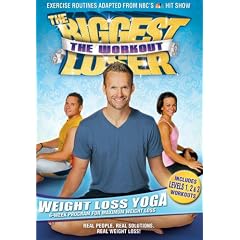
Product Description
Studio: Lions Gate Home Ent. Release Date: 12/16/2008 Run time: 55 minutes Rating: Nr
Buy The Biggest Loser: The Workout – Weight Loss Yoga (2008) at Amazon
Tags: 2008, Amazon, Biggest, Biggest Loser, Home Ent, Lions Gate, Loser, Loss, Product Description, Release Date, Run Time, Weight, Weight Loss, Workout, Yoga, Yoga Studio
Gastric Bypass Surgery as the Ultimate Solution to Morbid Obesity?
Obesity is a condition that has no single effective solution, considering that the problem may not lie on simple matters of changing lifestyle and health choices. With more and more people being diagnosed as clinically obese, it would seem that health concerns cannot be addressed by diet and exercise alone, which is why medical experts recommend gastric bypass surgery as a last resort to attempt to correct where diet and exercise have failed.
Not for everyone.
The first thing to remember is that not all obese individuals are candidates for gastric bypass surgery. Gastric bypass surgery is only advised for the morbidly obese, or those who are at least 50 kgs over their ideal weight. People with moderate weight problems are better off changing their diets and undergoing an exercise regimen rather than undergoing this drastic procedure.
Gastric bypass surgery is also not a magic procedure that will end all future weight gain. It will require that a patient maintain a lifetime of commitment to healthy eating and fitness. Most insurance policies also do not cover this procedure, which may cost upwards from $15,000.
What happens in a gastric bypass operation
Basically, a bariatric surgeon will perform two procedures: reduce stomach size with gastric staples or a gastric silastic ring and change the way food works in the body by bypassing a part of the small intestine so food does not remain there.
Gastric bypass surgery will require general anesthesia since the surgeon will be dividing the stomach into two parts, separating each with two rows of staples. An incision is made between the staples. The top section or pouch usually holds only about a tablespoon of food (the stomach can hold a quart). Eventually, this will expand to contain as much as one cup.
The logic of the operation is that once the stomach is decreased in size, the patient will feel full with less food intake. With the duodenum and jejunum bypassed, the number of calories absorbed by the body is also decreased since food goes directly from the stomach to the ileum which is the latter portion of the intestines.
The procedures that are used for these types of surgery include the roux-en-y, biliopancreatic diversion and fobi pouch bypass.
What to expect after undergoing gastric bypass surgery
Most complications arising from gastric bypass surgery may be corrected and improved upon. However, the patient should understand that his digestive process is not what it used to be. He will need to watch his diet, take supplements, medications, eat specially-prepared food and work with medical professionals who will closely monitor his condition. And this is what he will have to deal with for the rest of his life.
Some concerns after surgery
Vomiting
As the patient slowly adjusts to his new condition, he might make the mistake of eating more than his stomach can hold. Since gastric bypass surgery prevents food from passing out of the stomach, he might vomit the excess as a result. The patient will also need to chew his food very well since bigger particles might stretch his stomach pouch.
Dumping
Because the pyloric valve is bypassed, there is a tendency for food to leave the stomach too quickly and enter the digestive tract immediately. This action causes the body to release adrenalin which sets off some stressful symptoms like palpitations, nausea, diarrhea and sweating. Dumping is not necessarily a health risk but it is very uncomfortable for the patient. It is less likely to occur after a duodenal switch.
Vitamin deficiency
This operation will significantly lower the body’s efficiency in absorbing vitamins and minerals, which is why it is very important for patients to take nutritional supplements.
Hernia
At least 10% of patients suffer from abdominal hernias after surgery, caused by straining and vomiting. To reduce the risk, laparoscopy-assisted surgery may be considered instead.
Health Problems
Post-operation, some patients may suffer from gastritis, infection and gallstones. If weight is lost too quickly, they may also experience unsightly loosening of skin. There is also a risk that they will regain weight after a few years.
The gastric bypass bottomline
Gastric bypass surgery is a major operation and the there are significant risks of complications. In fact, most gastric bypass operations are irreversible which is why potential patients are well advised to communicate with their doctors and understand completely what is involved and what they can realistically expect.
More than anything, potential patients must also try to consider the drastic change in their lifestyle that gastric bypass surgery will cause. It will not only change their body shape and weight, it will also require them to change their diet and eating habits. Immediately after surgery, patients will have to adhere to a strict regimen of proper nutrition and exercise. They might also want to consider joining support groups after they undergo gastric bypass.
My Gastric Bypass Surgery Web Site
http://www.mygastricbypasssurgeryinfo.com
Tags: Bariatric Surgeon, Bypass Surgery, Duodenum, Exercise Regimen, Food Intake, Food Works, Gastric Bypass, Gastric Bypass Diet, Gastric Bypass Operation, Gastric Bypass Surgery, General Anesthesia, Health Choices, Insurance Policies, Jejunum, Medical Experts, Mini Gastric Bypass, Moderate Weight, Morbid Obesity, Morbidly Obese, Obese Individuals, Part Of The Small Intestine, Simple Matters, Stomach Staples, Ultimate Solution
Liposuction: An Option On The Path To Weight Loss?
Are you tired of sweating on the treadmill and living on celery sticks and brown rice? Do you watch reality TV shows where overweight individuals undergo seemingly magical transformations in under an hour? The popularity of reality TV shows where people undergo liposuction to get rid of those extra pounds have made plastic surgery more mainstream than ever, and why not?
Liposuction seems like a pretty attractive alternative to sweating it out in the gym. Truthfully, successful weight loss remains an elusive goal for millions of individuals, so liposuction appears an increasingly attractive weight loss option. But is it safe? Is liposuction a viable option on the path to weight loss?
Before you can determine whether liposuction is right for you, it helps to learn about the procedure. Liposuction is one of the most popular plastic surgery procedures available today. Almost all liposuction procedures are done in a very conservative manner. This means that the amount of fat removed from a patient’s body is generally small.
Although most liposuction procedures do only remove a small amount of fat, many plastic surgeons also practice large volume liposuction. Generally, large volume liposuction procedures are classified as those where over 5,000 cc of fat are removed. Large volume liposuction procedures generally require the patient to remain in the hospital for an overnight stay.
Most liposuction procedures are done under a general anesthetic. In some cases, liposuction procedures can be done under a local anesthetic. This type of sedation is generally reserved for cases where only small amounts of fat are being removed from specific locations.
What are the most common locations that individuals get treated through liposuction? The most common areas treated include the abdomen, buttock region, hips, and upper thighs. Other areas that are treated include the arms, chin, knees, and back, although these areas are not as common.
How does liposuction work, exactly? In most cases, the plastic surgeon uses a small tool called a cannulas. The cannulas is used to break up fat stored in the body while simultaneously suctioning it. The cannulas is designed so that it not only breaks up and suctions fat, but also contours the body so that no irregularities in the skin are left behind.
There are two basic forms of liposuction in use today. These two techniques are referred to as wet or tumescent techniques. The difference between these two techniques mostly involves the number of fluid that is placed in the targeted area before surgery begins. This fluid is used to reduce the amount of trauma and bruising that may affect the underlying tissues as a result of liposuction surgery.
After surgery, post-operative care tends to involve compression to the targeted area. Compression involves stretch garments that must be worn by the patient for up to three to six weeks after the surgery. In this post-operative period, a follow-up with a physician is necessary. Patients are advised to rest, and should not exercise in this period.
Once you have learned more about the procedure, you should decide if liposuction is right for you. First, ask yourself if you are interested in liposuction as a weight loss option. Is liposuction a viable weight loss option? The short answer is no. Liposuction should not be used as a weight loss treatment.
In general, liposuction is a body contour procedure, and should be treated as such. Liposuction is a surgical procedure that targets specific areas that have not responded to traditional weight loss measures. The best candidate for weight loss is someone who is at or very near their target weight, and it is not recommended for those seeking to lose more than ten pounds.
Many times, if you are set on liposuction, your doctor or surgeon may require you to lose weight before undergoing the procedure. Moreover, liposuction does not guarantee permanent weight loss. In order to maintain the final results, patients must follow a healthy diet and exercise regularly.
Also, although they are rare, complications have been known to result from liposuction surgery. Complications may include infection, puncturing of organs, embolism, swelling, burning, and scarring. If you are still interested in liposuction, make sure to consult with a board certified plastic surgeon to discuss your specific concerns.
For several years now, Jason has been reviewing hundreds of online products and services. Many consider his reviews to be very insightful and reliable. Visit his website dietandweightlossinfo.com
Tags: Abdomen, Brown Rice, Celery Sticks, Conservative Manner, Elusive Goal, General Anesthetic, Hips, Liposuction, Liposuction Procedures, Local Anesthetic, Magical Transformations, Only Small Amounts, Overweight Individuals, Plastic Surgery, Plastic Surgery Procedures, Reality Tv, Sedation, Surgery, Treadmill, Upper Thighs, Viable Option, Weight Loss
Going Through Surgery for Weight Loss
Those who are what is considered morbidly obese have few options when it comes to losing weight when time is of the essence. Many have bounced from one diet to the next for the vast majority of their lives only to find failure after failure and a growing sense of hopelessness and helplessness.
One common misconception when it comes to the morbidly obese is that they did it to themselves and if they didn’t want to be overweight they wouldn’t be. While this is nice in theory it isn’t always true in practice. There are certain medical conditions that can result in a person being unable to control the weigh they gain. There are also environmental issues that can affect the weight of a person as well. It’s ironic that in many cases alcoholics and drug addicts are treated and viewed with greater compassion than someone who is obese.
The surgery itself is major surgery and not an option that should be taken lightly and without a great deal of thought. Most people find that weight loss surgery involves a major change in lifestyle before and after as well as an entirely new way of eating that is a lifelong commitment. Because of the life altering changes that result from this surgery it is recommended that those receiving the surgery have a BMI that is greater than 40. This means that it is recommended for men who are greater than 100 pounds overweight and women who overweight by 80 or more pounds.
You should carefully weigh the benefits and the risks of a surgery such as this before deciding that this is the course of action you need to take. The risks are great with this surgery and should not be overlooked in desperation to shed the weight you’ve wanted to shed for so long. Nutritional deficiencies occur in almost 20% of those who have received this sort of surgery as the result of insufficient nutrients. This can lead to osteoporosis and other conditions as you age. Complications can result from the surgery itself. You can have lifelong issues when consuming too much or the wrong sorts of foods, and there are some who achieve their goals only to find that the weight comes back in time. As with anything in life there are no guarantees when it comes to weight loss surgery.
In order to determine whether or not this surgery will be beneficial to you, you may want to ask yourself the following questions.
Is my weight significantly hampering day-to-day activities? Is my weight causing other secondary conditions that may be harmful to my health? Is my weight something I honestly feel I can take control of on my own? Can I commit to the lifelong consequences and follow up that will be required?
The problem with most people who find the need to resort to weight loss surgery is that they cannot take control of their bodies back. The odds of a good candidate for weight loss surgery losing the weight of his or her own design are very slim as he or she has most likely tried and failed every diet in the books.
Only you can determine whether or not weight loss surgery is a viable option for your weight loss needs. If you decide that this is something you are interested in learning more about, be sure to discuss the possible consequences thoroughly with your physician.
Find tips about teenage obesity and obesity causes at the Obesity Facts site.
Tags: Alcoholics, Bmi, Childhood Obesity Statistics, Children Obesity, Common Misconception, Compassion, Definition Of Obesity, Desperation, Drug Addicts, Environmental Issues, Health, Helplessness, Hopelessness, Lifelong Commitment, Lifelong Issues, Losing Weight, Major Surgery, Medical Conditions, Morbidly Obese, Nutrients, Nutritional Deficiencies, Obesity, Obesity Causes, Obesity Chart, Obesity Facts, Obesity Statistics, Osteoporosis, Statistics On Obesi, Symptoms Of Obesity, Teen Obesity, Teenage Obesity, Time Is Of The Essence, Weight Loss, Weight Loss Surgery, What Is Obesity